Inside the VHT Process: Preparing Our Samal Mangoes for Australia
Our latest batch of Samal-grown Carabao mangoes is now going through an important export step before heading to Australia: VHT, or Vapour Heat Treatment.

For many customers, this part of the process is rarely seen, but it is one of the most important stages in getting premium Philippine mangoes safely into Australia. It is also a good chance to explain what VHT does, why it is required, how it affects the fruit, and what our recent Brix testing tells us about the sweetness still to come.
Why VHT is done
Australia has very strict biosecurity requirements for imported fruit. Mangoes entering Australia must meet quarantine protocols designed to prevent the entry of pests, especially fruit fly eggs and larvae.
That is where Vapour Heat Treatment comes in.
VHT is a controlled treatment process that uses carefully managed heat to ensure the mangoes meet Australia’s import requirements. In simple terms, it is done so the fruit can be exported safely and legally while protecting Australian agriculture.
So when people hear “VHT”, the short version is this:
It is a required quarantine treatment that helps make our mangoes export-compliant for Australia.
What happens during VHT
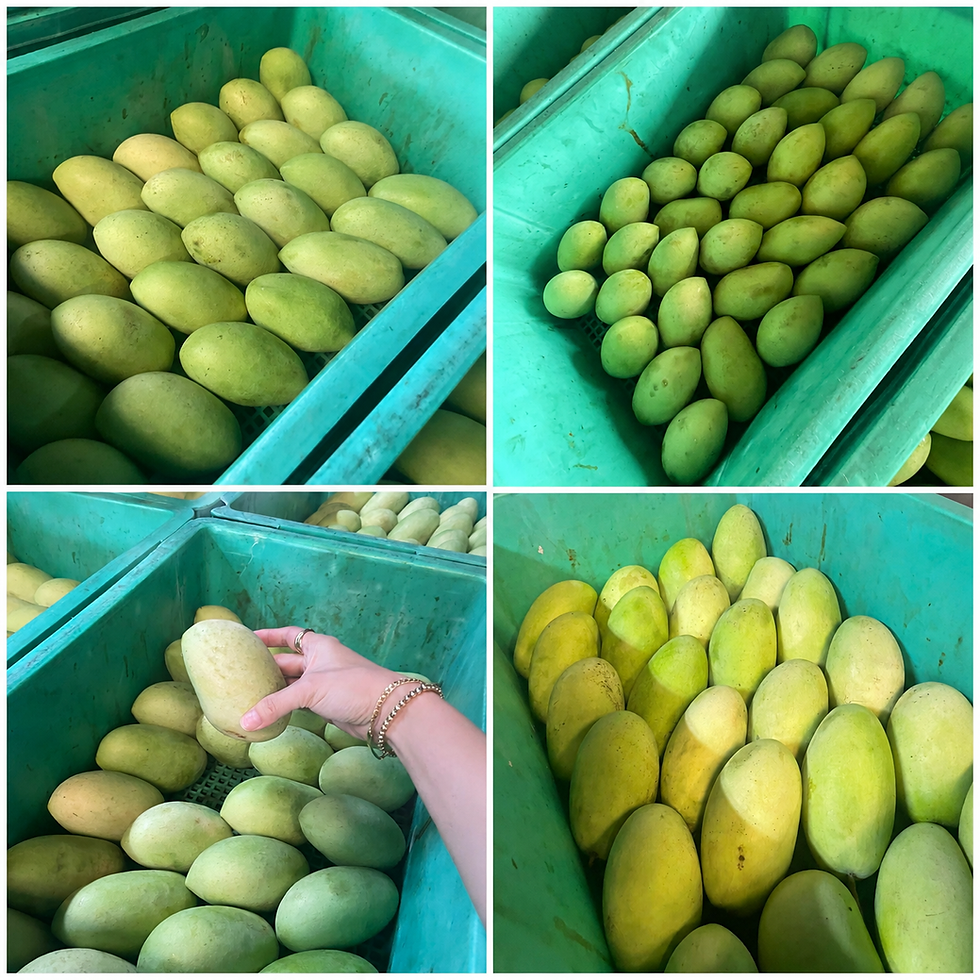
After harvest, the mangoes are placed into large bins and moved into the treatment area. From there, they are loaded into the treatment chamber, where temperature and exposure are carefully controlled and monitored.
This is not a random heating process. It is done under a strict procedure designed to target quarantine pests while still preserving the quality of the fruit.
In other words, the mangoes are not being “cooked”. They are being treated under a regulated process so they can continue their journey to export.
How VHT affects the mangoes
A common question is whether VHT damages the mangoes or stops them from ripening properly.
The answer is no — when done correctly, VHT does not stop normal ripening.
The fruit will still continue to develop:
colour
aroma
texture
sweetness
That means the mangoes may still arrive green or semi-green, but they will continue to ripen after treatment. This is completely normal.
What customers should understand is that appearance and eating quality are not always the same thing. A mango can have minor skin marks or blemishes and still ripen beautifully and taste excellent.
Brix testing: what it means
We also carried out Brix testing on random samples from the batch.
Brix is a measurement of the natural sugar content in fruit juice. The higher the Brix, the sweeter the fruit generally tastes.

Our random samples taken around two days after harvest showed readings of approximately 9–10° Brix.
At that stage, the mangoes are still early in the ripening cycle, so that result is normal. They are not yet at full eating ripeness.
What can customers expect when fully ripe?
Based on those readings, these mangoes can reasonably be expected to reach around:
16–19° Brix when fully ripe
and in exceptional fruit, 20° Brix or higher
That is a very sweet mango.
Carabao mangoes are widely regarded as among the sweetest mango varieties in the world, which is one reason they are so loved by Filipinos and increasingly appreciated by Australian customers as well.
So if the fruit is already reading 9–10° Brix only two days after harvest, that is a very promising sign for what is still to come once fully ripened.
A more natural growing approach
This Samal batch also came from a farm with a more natural and lower-chemical growing approach.
That matters.
Fruit grown in a more natural way may sometimes show:
minor skin blemishes
darker marks
less-than-perfect skin finish
Especially during the season, this is not unusual.
By contrast, some fruit in the market may look more visually perfect because of heavier chemical or fungicide use to maintain appearance. But a cleaner-looking skin does not automatically mean better fruit.
If chemical use is excessive or poorly controlled, that can raise concerns for human consumption. So for us, we would rather be honest about the fruit and remind customers of something simple:
Never judge a mango by its skin
A mango’s appearance does not tell the full story.
What matters most is:
how it was grown
how it was handled
whether it ripens properly
and how it tastes when ready to eat
Our Samal mangoes may not always look like showroom fruit, but they are grown with a more natural focus, carefully prepared for export, and selected for the eating quality that really matters.
And that is the exciting part.
With VHT completed, the fruit remains on track for export compliance, and with the current Brix readings already showing promise, customers can look forward to mangoes that should ripen into the sweet, aromatic, richly flavoured Carabao mango experience people have been waiting for.
The wait is almost over — and trust us, these mangoes are worth it.


Comments